 |
||||||||||||||||||||||||||||
 |
 |
 |
 |
 |
 |
 |
||||||||||||||||||||||
 |
 |
|||||||||||||||||||||||||||
 |
 |
 |
 |
|||||||||||||||||||||||||
 |
 |
|||||||||||||||||||||||||||
 |
 |
 |
 |
|||||||||||||||||||||||||
 |
 |
|
||||||||||||||||||||||||||
|
|
|
 |
|||||||||||||||||||||||||
| Algarve Yacht Charters |
 |
 |
|
|||||||||||||||||||||||||
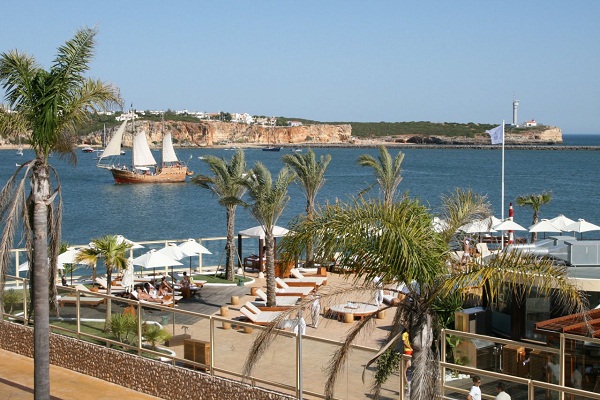
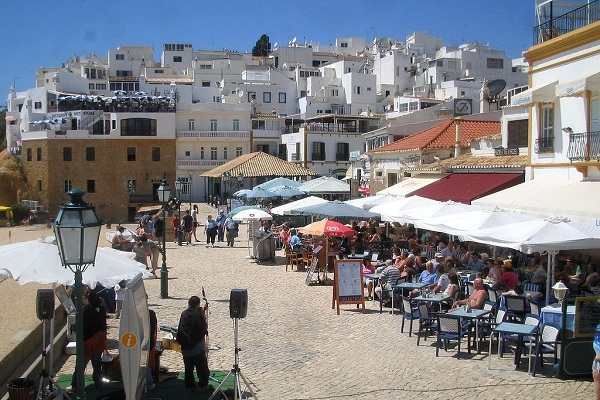
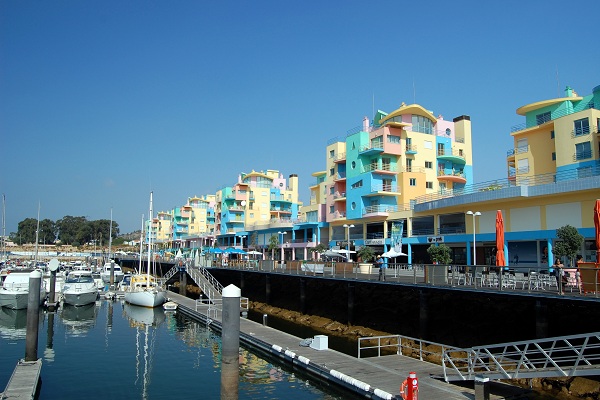
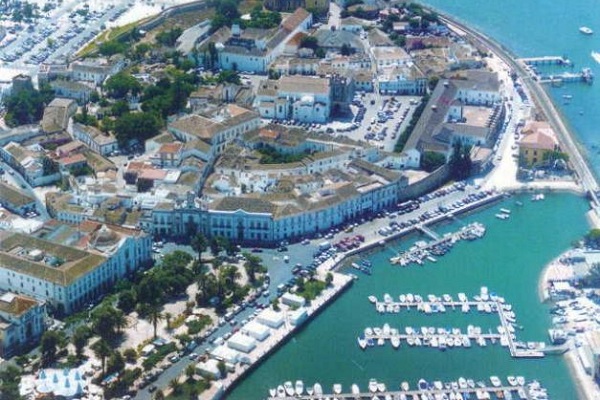
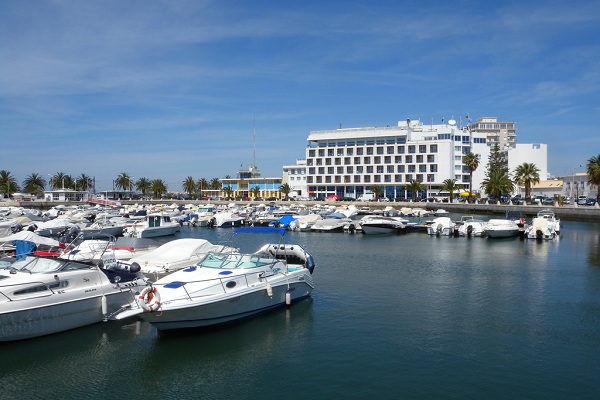
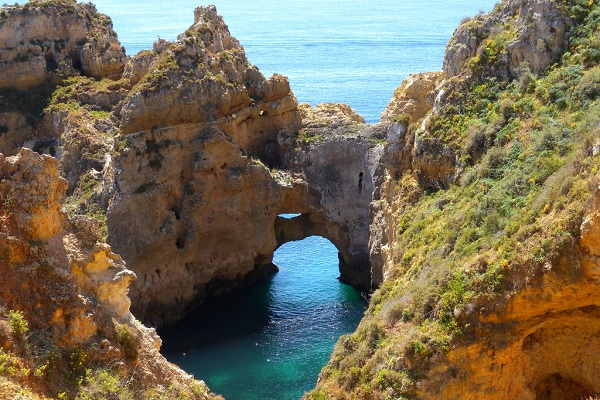
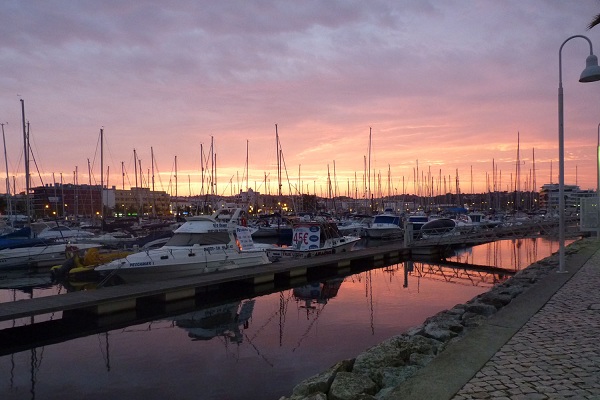
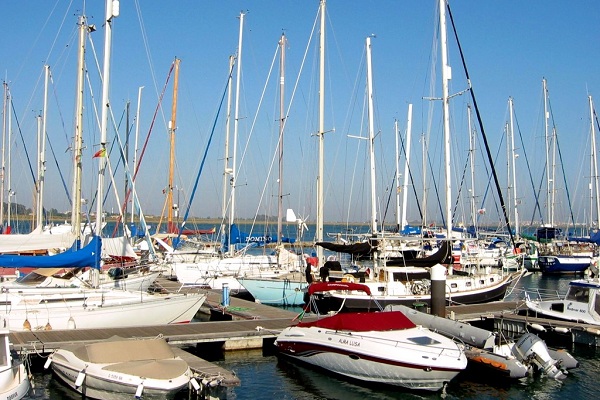
We specialize in yacht charters on the Portuguese Algarve and we can also offer boats throughout the Iberia peninsula. We have a great range of sailing yachts and motor boats available for bareboat charter and can also offer skippered and crewed charters. Many of our boats can be hired by the day rather than for a full weeks charter. Please contact us directly for our great value late charter deals from the Algarve. We have boats in the following locations; Faro, Lagos, Portimão and Vila Real de Santo António General Info - The Algarve is the name of the area that forms the southern coast of Portugal on the Atlantic Ocean. Major coastal towns include: Faro, Albufeira, Lagos, Lagos, Olhão, Portimão, Quarteira and Vila Real de Santo António. The region is also the home of the Ria Formosa lagoon, a nature reserve of over 170 square kilometres and a stopping place for hundreds of different birds. The coastline, just under 100 miles in length is reknowned for picturesque limestone caves and grottoes, particularly around Lagos. Well-known beaches in the Algarve include Praia da Marinha and Armação de Pêra. Get a quote for your Algarve yacht charter here. Or contact us by email |
||||||||||||||||||||||||||||
 |
 |
 |
 |
|||||||||||||||||||||||||
Suggested Itineraries & Routes - Click the following link for a selection of suggested yacht charter itineraries on the Algarve coast Marinas - Detailed reports and information on Marinas, Harbours and Anchorages in Algarve area can be found in our Cruising Guide Experience & Qualifications - Normally the proposed skipper of a bareboat charter is required to hold a sailing license. ICC or equivalent. In certain circumstances we may be able to consider experience rather than formal qualifications. In addition, usually, one member of the crew will need a VHF license. If you have any doubts as to whether you have the necessary qualifications please do not hesitate to contact us Visa Requirements - Portugal is a member of the European Union. See the following link for EU Visa Regulations Charter Season - Many of our yachts can be hired year round. While November to February see many sunny days with pleasant temperatures they also see a number of stormy days accompanied by heavy rain. July and August are the most popular months, they also tend to be the most expensive and many marinas and resorts will be very crowded. The months either side of the peak summer period offer good value for money, temperatures are that little bit more comfortable and the area is will have less of a "busy" feel. Climate - See the following link for detailed information on the weather of the Algarve area complete with monthly averages for air and sea temperatures, sunshine hours and UV Index How to Get There - The Algarve has an international airport at Faro (FAO) with connections to many major European cities. Click on the following link for airlines and carriers operating out of Faro Airport Time Difference - GMT. And another hour for Central European Summer Time between late March and late October Currency - Euro. Major credit cards are widely accepted and there is an extensive network of ATMs throughout the area Language - Portoguese. English is widely spoken Electricity - 220V Cusine -Coming soon Get a quote for your Algarve yacht charter here. Or contact us by email |
||||||||||||||||||||||||||||
 |
 |
 |
 |
|||||||||||||||||||||||||
History - The Phoenicians had established trading ports along the coast around 1000 BC. The Carthaginians founded Portus Hanibalis, known today as Portimão, around 550 BC. The Romans in the 2nd century BC spread through the Iberian Peninsula, and many Roman ruins can still be seen in the region, notably in Lagos. Roman bath complexes and fish salting tanks have been found near the shore in several locations, for example the ones near Vilamoura and Praia da Luz. In the 5th century the Visigoths took control of the Algarve until the beginning of the Moorish invasion in 711. Faro, which the Christian residents had called Santa Maria, was renamed Faraon, which means "the settlement of the Knights." For several years, the town of Silves was the capital of the region under Moorish rule. In the mid-12th century, the Moorish occupation ended in the region due to successful military campaigns of the Kingdom of Portugal. Under Christian domination, the "Al-Gharb" was known since then as the Kingdom of Algarve. It was not until the 13th century that the Portuguese finally secured the region against subsequent Moorish attempts to recapture the area. In the 15th century, Henry the Navigator based himself near Lagos and conducted various maritime expeditions which established Portugal as a colonial power. Feedback - We would welcome any comments you may have about your charter in Algarve. Contact us here Terms & Conditions -These vary depending on the individual boat. Normally a deposit is required at the time of booking with the balance due 6 weeks before the date of your charter. Please contact us if you require further information. Get a quote for your Algarve yacht charter here. Or contact us by email |
||||||||||||||||||||||||||||
| Boats Available for Daily Hire | ||||||||||||||||||||||||||||
 |
Sports - Fishing - Sail Boats - |
|||||||||||||||||||||||||||
| Bareboat Monohulls | ||||||||||||||||||||||||||||
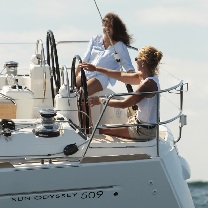 |
Under 12 metres - 12 - 15 metres - Bavaria 44 | Bavaria 46 Over 15 metres - Bavaria 50 NB - The option of a Skipper is normally available with these boats. Please get in touch for more details and rates for Skippers |
|||||||||||||||||||||||||||
| Bareboat Catamarans | ||||||||||||||||||||||||||||
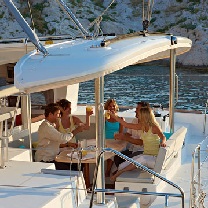 |
Under 12 metres - 12 - 15 metres - NB - The option of a Skipper is normally available with these boats. Please get in touch for more details and rates for Skippers |
|||||||||||||||||||||||||||
| Bareboat Motor Yachts | ||||||||||||||||||||||||||||
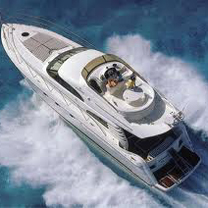 |
Under 12 metres - 12 - 15 metres - NB - The option of a Skipper is normally available with these boats. Please get in touch for more details and rates for Skippers |
|||||||||||||||||||||||||||
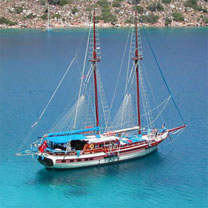
| Skippered & Crewed Boats | ||||||||||||||||||||||||||||
 |
||||||||||||||||||||||||||||
