 |
|||||||||||||||||||||||||||
 |
 |
 |
 |
 |
 |
 |
|||||||||||||||||||||
 |
 |
||||||||||||||||||||||||||
 |
 |
 |
 |
||||||||||||||||||||||||
 |
 |
||||||||||||||||||||||||||
 |
 |
 |
 |
||||||||||||||||||||||||
 |
 |
|
|||||||||||||||||||||||||
|
|
|
 |
||||||||||||||||||||||||
 |
 |
|
Sporades Yacht Charters | ||||||||||||||||||||||||
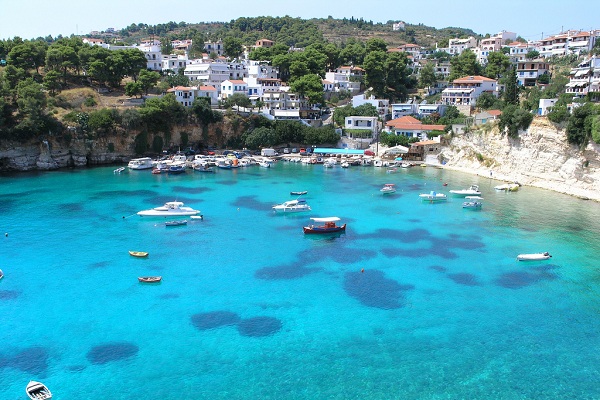
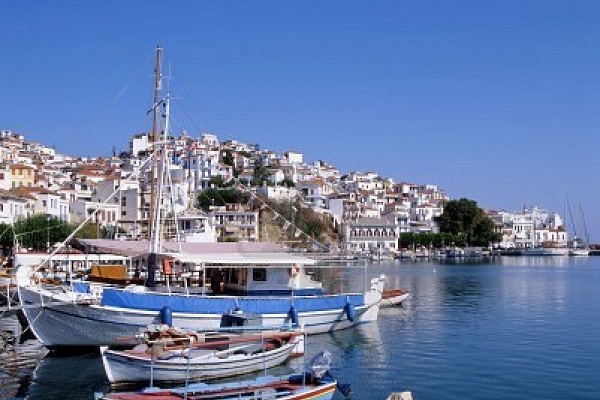
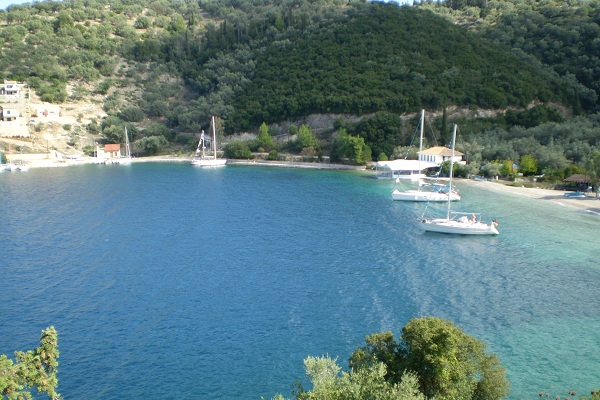
We specialize in yacht charters from the Sporades Islands and we can offer boats throughout the Aegean Sea. We have a great range of sailing yachts and motor boats available for bareboat charter and can also offer skippered and crewed charters. Many of our boats can be hired by the day rather than for a full weeks charter. Please contact us directly for our great value late charter deals in the Sporades. We have boats in the following locations; Skiathos, Skopelos and Milina General Info -The Sporades Islands lie in the western Aegean Sea. The yacht charter area is made up of the scattered, widespread and fertile islands of Skiathos, Skopelos, Alonissos, Skyros, Pelagos or Kira Panayia and the uninhabited Peristera, Skantzoura, Yioura, Piperi and Psathoura. Skiathos and Skopelos are the main yacht charter bases in the Sporades. Only the larger islands in the Sporades sustain small populations, mostly of craftsmen, farmers and fishermen and only the bigger towns have harbours: Skiathos Town, Skopelos Town, Patitiri on Alonissos and Linaria on Skyros. Also worth visiting are Glossa on Skopelos and Steni Vali on Alonissos. Some of the beaches on Skiathos and Skopelos are considered to be amongst the finest in the eastern Mediterranean but in the middle of summer these beaches can be crowded. Make the most of your yacht charter and drop anchor in the many stunning bays where you are more likely to have the adjoining beach to yourself. The Northern Sporades is well known for the beautiful scenery and beaches, secluded anchorages and wildlife and is ideal for yacht charter holidays. Get a quote for your Sporades yacht charter here. Or contact us by email |
|||||||||||||||||||||||||||
 |
 |
||||||||||||||||||||||||||
 |
 |
 |
 |
||||||||||||||||||||||||
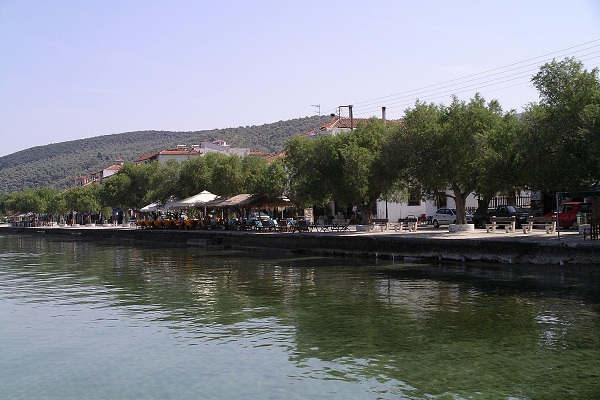
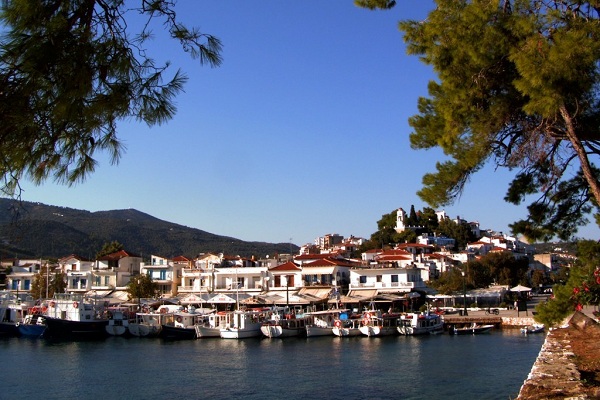
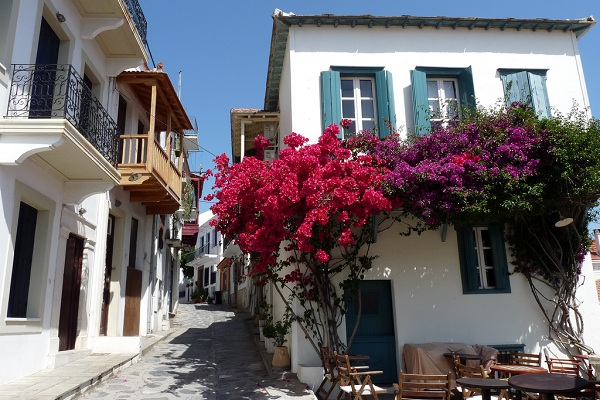
Sailing Area - Skiathos lies 2.5 nm east of the Peninsula of Magnesia and is the most westerly island of the Northern Sporades. It is a gently rolling wooded island. With its mild climate and beautiful sandy bays it is a popular holiday destination, particularly preferred by Greeks. Skiathos' main source of income apart from the tourist trade is its 600,000 olive trees. The only town on the island is Skiathos Town, on the southeast coast. The modern town dates back to 1830 but it stands on the site of an ancient city, on two low hill ridges at the side of a small sheltered bay. The remains of the islands' medieval capital, Kastro are located on the west coast on an impregnable crag. The remaining stretches of town walls and the drawbridge can be visited by boat or over land by beautiful winding dirt roads. The lush and fertile inlands as well the monasteries are indeed the most appealing part of Skiathos. Skopelos, to the east of Skiathos is a hilly, wooded island. The steep northeast coast is unwelcoming and apart from the wide Bay of Skopelos or Ormos Skopélou near the east end, is without anchorages or inlets of any consequence. The gentler southwest coast is also relatively featureless but has a number of attractive anchorages like Stafylos, Agnondas and Panormos. Skopelos thrives on its agriculture and the island is devoted to the growing of olives, plums, almonds & walnuts. Where the slopes are too steep for cultivation pine trees grow and the green fertility of Skopelos is not found on many Greek islands. There are many springs and streams on Skopelos and much like the neighbouring island of Skiathos, it reflects the lushness of the Pelion Peninsula nearby. There are many convents in which the nuns make woven goods and other craft products. The long rocky island of Alonissos, Alonisos or Allonisos is still one of the most remote places in Greece. It lies half way along the chain of the Northern Sporades and is the only inhabited island in the NMPANS (National Marine Park Alonissos, Northern Sporades). A ridge of hills runs the length of the island, reaching its highest point in Mount Kouvoúli at 476 m. The northwest coast is edged by steep cliffs and has few indentations, but the southeast coast is more hospitable, with a number of sheltered bays and yacht anchorages. In this area there are many traces of human settlement reaching back to the Neolithic times. The population made up in the main of farmers and fishermen, live almost entirely in the fertile southern part of Alonissos. On this side of the island are the lovely little port of Patitiri and the Chora of Alonissos, formerly the main town of the island, but largely abandoned after and earthquake in 1965. Dauntingly situated above the sea, with extensive views, the village is now increasingly being rehabilitated for tourists. The National Marine Park of Alonissos was established in 1992 to protect of the unique ecosystem and particularly the Mediterranean Monk Seal. Although the park is home to the largest surviving colony of these creatures in the whole of the Mediterranean numbers are still few and Monk Seals are one of the world's most endangered species.You may also see in this area dolphins and whales like the common dolphin, striped dolphins and the long finned pilot whale. Slowly making their way towards distant nesting sites are also Loggerhead turtles. On the seabed are extensive Posidonia sea grass meadows, various species of sponge and also the endangered red coral. Among the numerous birds finding refuge in the park are the cliff-nesting Eleonora's falcon and the red- black- and yellow-billed Audouin's gull, one of the world's most rare gulls. Peristera lies off the southeast coast of Alonissos, separated from it by a wide sound. Both islands have an abundance of good and attractive yacht anchorages that make this area ideal for those on a yacht charter. The two ports of Steni Vala and Patitiri are beautifully located and offer most provisions. Further southeast is the island of Skantzoura that belongs to the Monastic Republic of Athos and is used for the grazing of goats. Skantzoura has a couple anchorages good enough to provide shelter from the Meltemi. Pelagos lies still further to the east. The island of Pelagos or Kira Panayia, together with the so-called Northern Islands of Yioura, Psathoura and Piperi lie well within the National Marine Park of Alonissos (NMPANS). Pelagos, was known in antiquity as Euthyra. Nowadays it is also called Kira Panayia, after the monastery of that name on its east coast. The 12th century monastic church contains a number of old icons and can be reached via Monastery Bay where a flight of steep winding steps lead up towards it. The monks from Mount Athos founded this old monastery in the Byzantine period. The former monastic island of Yioura is now a reserve for wild goats. On the south side of the island are the Caves of the Cyclops, traditionally believed to have been the home of Polyphemos. Yachts are not to approach the island within 400 metres. To the east lies Piperi, the Pepper pot, a nature reserve primarily for the Monk Seals. Yachts should not approach within 3NM. The last in the string of the Northern Sporades is the volcanic island of Psathoura. Just off the north coast and underwater are the remains of buildings belonging to a large ancient city engulfed by the sea. Suggested Itineraries & Routes - Click the following link for a selection of suggested yacht charter itineraries in the Sporades Marinas - Detailed reports and information on Marinas, Harbours and Anchorages in Sporades Islands can be found in our Cruising Guide Experience & Qualifications - Normally the proposed skipper of a bareboat charter is required to hold a sailing license. ICC or equivalent. In certain circumstances we may be able to consider experience rather than formal qualifications. In addition, usually, one member of the crew will need a VHF license. If you have any doubts as to whether you have the necessary qualifications please do not hesitate to contact us Visa Requirements - Greece is a member of the European Union. See the following link for EU Visa Regulations Charter Season - A few of our yachts can be hired year round. While November to February see many sunny days with pleasant temperatures they also see a number of stormy days accompanied by heavy rain. July and August are the most popular months, they also tend to be the most expensive and many marinas and resorts will be very crowded. The months either side of the peak summer period offer good value for money, temperatures are that little bit more comfortable and the area is will have less of a "busy" feel. Climate - See the following link for detailed information on the weather of the Sporades complete with monthly averages for air and sea temperatures, sunshine hours and UV Index How to Get There - The Sporades are served by several international airports. Click on the following link for airlines and carriers operating out of Sporades Airports Time Difference - GMT+2 Currency - Euro. Major credit cards are widely accepted and there is an extensive network of ATMs throughout the area Language - Greek. English is widely spoken Electricity - 220V Cusine - Get a quote for your Sporades yacht charter here. Or contact us by email |
|||||||||||||||||||||||||||
 |
 |
||||||||||||||||||||||||||
 |
 |
||||||||||||||||||||||||||
 |
 |
||||||||||||||||||||||||||
 |
|||||||||||||||||||||||||||
 |
 |
 |
 |
||||||||||||||||||||||||
History - Skiathos was not a place of any importance in ancient times. Herodotus mentions the island in connection with the naval battle off cape Artemision I 480 BC, reporting that the men of Skiathos conveyed information about Persian naval movements by means of fire signals. The oldest traces of human settlement on Skopelos date from the Neolithic period. The ancient city of Peparethos is believed to have been founded by the Cretan hero Stafylos, son of Dionysos and Ariadne. In the Tomb of Stafylos gold jewellery, idols, a variety of implements and utensils and Minoan double axes were found. They are now in the Volos Museum. The archaeological evidence indicates, however, that from an early stage the inhabitants of Skopelos were influenced by Mycenaean rather than Minoan culture. Feedback - We would welcome any comments you may have about your charter in Skiathos. Contact us here Terms & Conditions -These vary depending on the individual boat. Normally a deposit is required at the time of booking with the balance due 6 weeks before the date of your charter. Please contact us if you require further information. Get a quote for your Sporades yacht charter here. Or contact us by email |
|||||||||||||||||||||||||||
| Boats Available for Daily Hire | |||||||||||||||||||||||||||
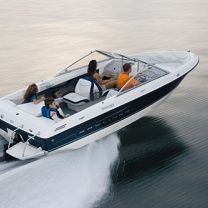 |
Sports - Fishing - Sail Boats - |
||||||||||||||||||||||||||
| Bareboat Monohulls | |||||||||||||||||||||||||||
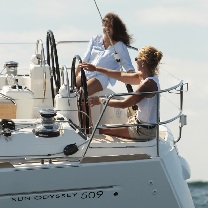 |
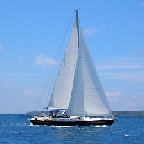
Under 12 metres - Bavaria 30 | Bavaria 31 | Beneteau Oceanis 31 | Jeanneau Sun Odyssey 36i | Bavaria 38 12 - 15 metres - Sun Odyssey 40.3 | Bavaria 44 | Sun Odyssey 45DS | Bavaria 46 | Bavaria 47 | Beneteau Oceanis 473 | Jeanneau Sun Odyssey 49DS Over 15 metres - Bavaria 50 NB - The option of a Skipper is normally available with these boats. Please get in touch for more details and rates for Skippers |
||||||||||||||||||||||||||
| Bareboat Catamarans | |||||||||||||||||||||||||||
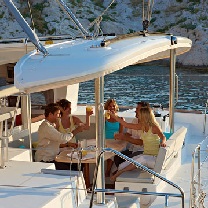 |
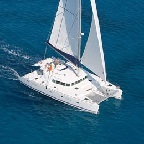
Under 12 metres - Lagoon 380 | Leopard 384 12 - 15 metres - Lagoon 400 | Dufour Nautitech 44 | Dufour Nautitech 47 NB - The option of a Skipper is normally available with these boats. Please get in touch for more details and rates for Skippers |
||||||||||||||||||||||||||
| Bareboat Motor Yachts | |||||||||||||||||||||||||||
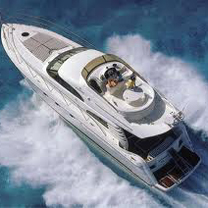 |
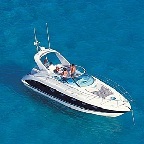
Under 12 metres - 12 - 15 metres - NB - The option of a Skipper is normally available with these boats. Please get in touch for more details and rates for Skippers |
||||||||||||||||||||||||||
| Skippered & Crewed Boats | |||||||||||||||||||||||||||
 |
|||||||||||||||||||||||||||
