 |
|||||||||||||||||||||||
 |
 |
 |
 |
 |
 |
 |
|||||||||||||||||
 |
 |
||||||||||||||||||||||
 |
 |
 |
 |
||||||||||||||||||||
 |
 |
||||||||||||||||||||||
 |
 |
 |
 |
||||||||||||||||||||
 |
 |
|
|||||||||||||||||||||
|
|
|
 |
||||||||||||||||||||
| Malta Yacht Charters |
 |
 |
|
||||||||||||||||||||
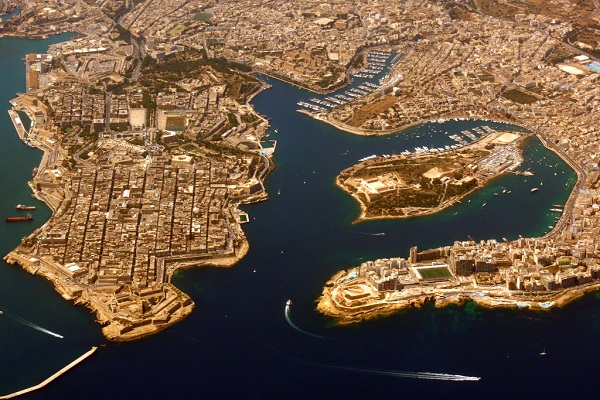
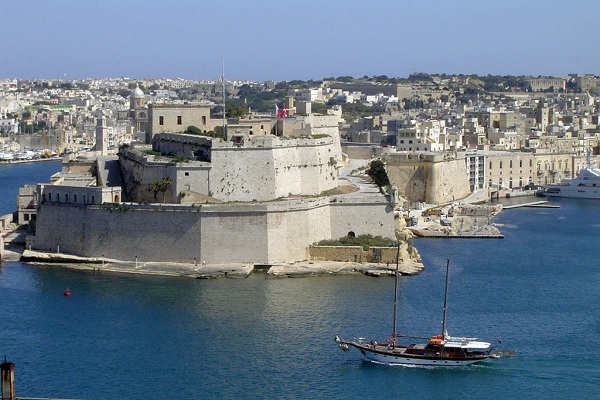
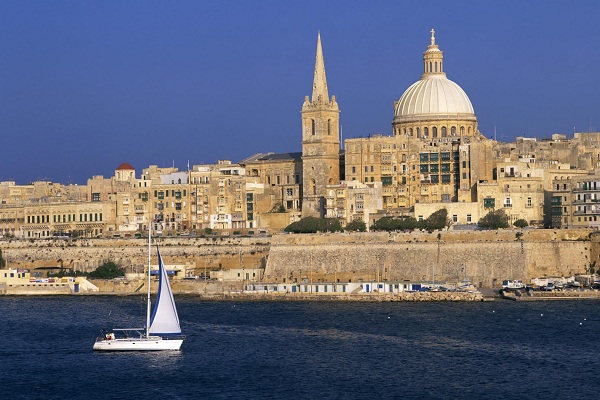
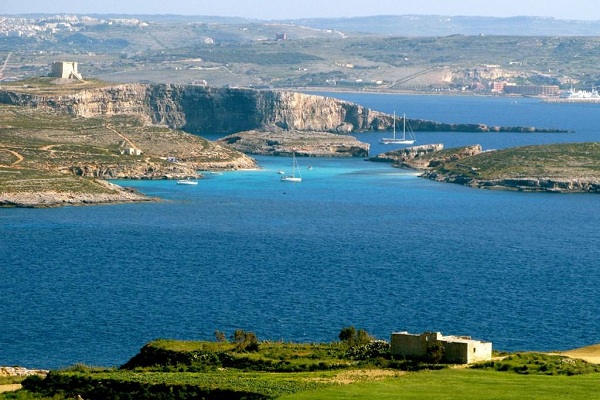
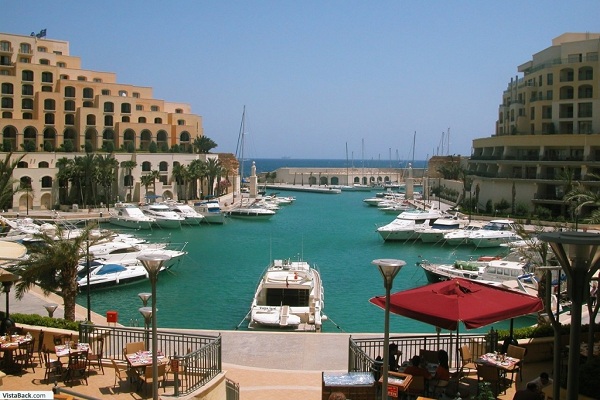
We specialize in yacht charters in Malta and the Mediterranean Sea. We have a great range of sailing yachts amd motor boats available for bareboat charter and can also offer skippered and crewed charters. Many of our boats can be hired by the day rather than for a full weeks charter. Please contact us directly for our great value late booking deals in Malta. General Info - General - Malta comprises an archipelago of seven islands situated in the Southern Mediterranean sea, 60 miles off the coast of Sicily, 180 miles east of Tunisia and 188 miles north of Libya. Only the three largest islands Malta, Gozo and Comino are inhabited. The smaller islands are Filfla, Cominotto and the Islands of St. Paul. The coastline of Malta is well indented and provides numerous harbours, bays, creeks, sandy beaches and rocky coves. The length of the Malta's shoreline is 136 km and 43km round Gozo. Most charter boats are based in Grand Harbour or Marsamxett Harbour where there are several marinas. Both harbours are located in Valletta. As well as your time on the water Malta has nine UNESCO World Heritage Sites you can visit, including the Megalithic Temples which are some of the oldest free-standing structures in the world. Maltese cuisine is typically Mediterranean, based on fresh seasonal locally available produce and seafood. While many dishes are native to the island, some popular Maltese recipes reflect Sicilian, Southern Italian or Turkish cuisine, as well as traces of Tunisian, Spanish, Berber, French and British influences. Still, there are many unique, distinctive and popular local dishes such as Ftira, a bread, Pastizzi, a typical Maltese snack. Get a quote for your Malta yacht charter here. Or contact us by email |
|||||||||||||||||||||||
 |
 |
 |
 |
||||||||||||||||||||
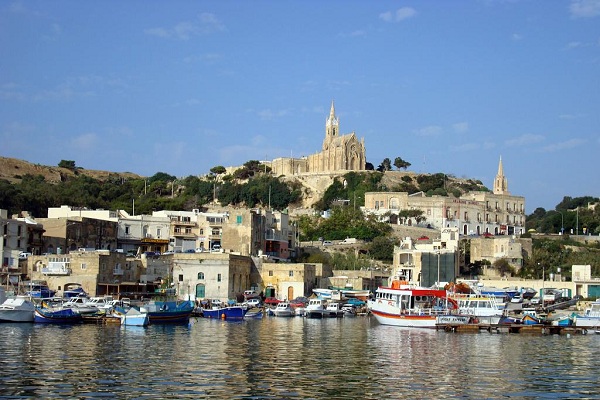
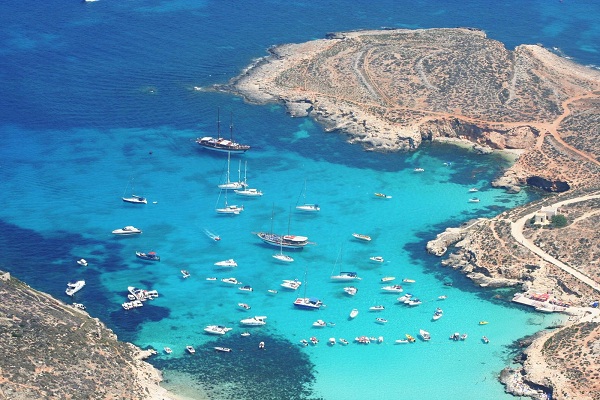
Suggested Itineraries & Routes - A typical one week charter might look something like this; Valletta - Mgarr on Gozo Island - Blue Lagoon on Comino Island - Marsaxlokk - Portomaso Marina - Valletta. On a two week charter in addition to visiting the Maltese Islands, it is also possible to sail to other places, including Tunisia (160NM), Sicily (58NM) or Lampedusa (95NM). Click the following link for more suggested yacht charter itineraries in Malta Marinas - Detailed reports and information on Yacht Marinas, Harbours and Anchorages in Malta can be found in our Cruising Guide Experience & Qualifications - Normally the proposed skipper of a bareboat charter is required to hold a sailing license. ICC or equivalent. In certain circumstances we may be able to consider experience rather than formal qualifications. In addition, usually, one member of the crew will need a VHF license. If you have any doubts as to whether you have the necessary qualifications please do not hesitate to contact us Visa Requirements - Malta is a member of the European Union. See the following link for EU Visa Regulations Charter Season - Many of our yachts can be hired year round. While November to February see many sunny days with pleasant temperatures they also see a number of stormy days accompanied by heavy rain. July and August are the most popular months, they also tend to be the most expensive and many marinas and resorts will be very crowded. The months either side of the peak summer period offer good value for money, temperatures are that little bit more comfortable and the area is will have less of a "busy" feel. Climate - The climate is typically Mediterranean, with mild, rainy winters and hot, dry summers. The temperature is very stable, the monthly averages ranging from 12°C (54°F) to 31°C (88°F). Winds are strong and frequent. See the following link for detailed information on the weather of Malta complete with monthly averagesfor air and sea temperatures, sunshine hours and UV Index How to Get There - Malta International Airport (MLA) is the only airport serving the Maltese Islands. The national airline is Air Malta which operates services to 36 destinations in Europe and North Africa. Click on the following link for more airlines and carriers operating out of Malta. Ferries connect Malta to Pozzallo & Catania in Sicily Time Difference - GMT+1 Currency - Euro. Major credit cards are widely accepted and there is an extensive network of ATMs throughout the area Language - Maltese. English and Italia are spoken widely Get a quote for your Malta yacht charter here. Or contact us by email |
|||||||||||||||||||||||
 |
|
 |
 |
||||||||||||||||||||
History - Throughout history, Malta's location has given it great strategic importance and a sequence of powers including the Phoenicians, Greeks, Romans, Sicilians, Knights of St John, French and the British have ruled the islands. Malta gained independence from the United Kingdom in 1964 and became a republic in 1974. Feedback - We would welcome any comments you may have about your charter in Malta. Contact us here Terms & Conditions -These vary depending on the individual boat. Normally a deposit is required at the time of booking with the balance due 6 weeks before the date of your charter. Please contact us if you require further information. Get a quote for your Malta yacht charter here. Or contact us by email |
|||||||||||||||||||||||
| Bareboat Monohulls | |||||||||||||||||||||||
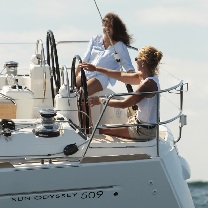 |
Under 12 metres - 12 - 15 metres - Bavaria 46 Over 15 metres - NB - The option of a Skipper is normally available with these boats. Please get in touch for more details and rates for Skippers |
||||||||||||||||||||||
| Bareboat Catamarans | |||||||||||||||||||||||
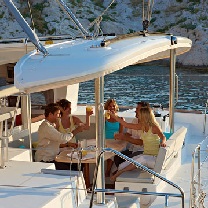 |
Under 12 metres - Fountaine Pajot Mahe 36 12 - 15metres - Fountaine Pajot Lavezzi 40 | Fountaine Pajot Belize 43 NB - The option of a Skipper is normally available with these boats. Please get in touch for more details and rates for Skippers |
||||||||||||||||||||||
| Bareboat Motor Yachts | |||||||||||||||||||||||
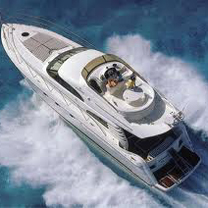 |
Under 12 metres - Bavaria BMB 33 Sport | Bavaria BMB 330 | Bavaria BMB 35 | Bavaria BMB 37 | Bavaria BMB 37 Sport | Bavaria BMB 38 Sport | Azimut 39 | Astondoa 40 Open 12 - 15 metres - Azimut 42 | Absolute 45 NB - The option of a Skipper is normally available with these boats. Please get in touch for more details and rates for Skippers |
||||||||||||||||||||||
| Skippered & Crewed Boats | |||||||||||||||||||||||
 |
|||||||||||||||||||||||
