 |
|||||||||||||||||||
 |
 |
 |
 |
 |
 |
 |
|||||||||||||
 |
 |
||||||||||||||||||
 |
 |
 |
 |
||||||||||||||||
 |
 |
||||||||||||||||||
 |
 |
 |
 |
||||||||||||||||
 |
 |
|
|||||||||||||||||
 |
|
|
 |
||||||||||||||||
| Atlantic Ocean Yacht Charters |
 |
 |
|
||||||||||||||||
We specialize in yacht charters in Atlantic Ocean and as agents we can offer you the widest choice of boats at lower prices than operators list prices. We have a great range of sailing yachts and motor boats available for bareboat charter and can also offer skippered and crewed charters. Please contact us directly for our great value late charter deals in the Atlantic Ocean. We have boats in the following locations; Algarve | Azores | Cadiz | Canary Islands | Cape Verde Islands | Costa de la Luz | El Hierro | Faial | Faro | Fuerteventura | Gibraltar | Gran Canaria | Lagos | La Gomera | Lanzarote | La Palma | Lisbon | Maderia | Pico | Portimao | Porto | Portugal | Sao Jorge | Sao Miguel | Spain | Tenerife | Terceira General Info - See below Boats - See a list of boats available for charter here Check out some great value deals in the spring for one way charters from the Canary Islands to the Balearic Islands. And the return trip from the Balearic Is to Canary Is tn the autumn. Ideal for mile building and a taste of true blue water cruising. Get a quote for your Atlantic Ocean yacht charter here. Or contact us by email |
|||||||||||||||||||
| Azores | |||||||||||||||||||
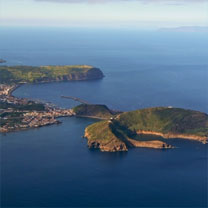 |
The Archipelago of the Azores are located in the mid North Atlantic Ocean, within a range bounded by the parallels 36° 55' 43'' and 39° 43' 02'' N and the meridians 24° 46 ' 15'' and 31° 16' 02'' W. The two main yacht charter areas of the Azores are either the central island group including the islands of Faial, Pico, Sao Jorge, Terceira and Graciosa or the eastern islands of Sao Miguel and Santa Maria. The Azores are a great cruising ground with everything from steep rising majestic volcanos to sleepy little fishing villages. We have yachts based in the lovely marinas of Horta on Faial island, Lajes on Pico island and Vila Franca on Sao Miguel. |
||||||||||||||||||
| Canary Islands | |||||||||||||||||||
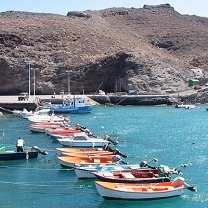 |
The Spanish Canary Islands is an archipelago that lies of the NW coast of mainland Africa, Morocco and the Western Sahara in the Atlantic Ocean. They consist of seven islands of volcanic origin; Gran Canaria, Tenerife, Lanzarote, La Palma, La Gomera, El Hierro, Fuerteventura, La Graciosa The Canary Island's geographical position means that there are generally great winds for sailing. The North Easterly trades that once took Columbus to America funnel through the islands creating what are known as wind acceleration zones and this means that even with fairly light prevailing winds there is still enough wind for great sailing. The Canary Islands are perfect location for a winter yacht charter vacation. |
||||||||||||||||||
| Cape Verdes | |||||||||||||||||||
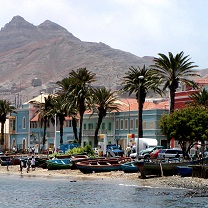 |
The archipelogo of Cape Verde is composed of ten islands, of which nine are inhabited, and eight islets. The islands are divided into the Barlavento or windward islands: Santo Antão, São Vicente, Santa Luzia, São Nicolau, Sal, and Boa Vista. And the Sotavento or leeward islands: Maio, Santiago, Fogo, and Brava.The largest island, both in size and population, is Santiago, where the capital of Praia is located. The Cape Verdes are a great destination for a winter yacht charter vacation. |
||||||||||||||||||
| Gibraltar | |||||||||||||||||||
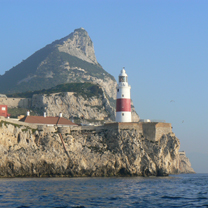 |
Two continents! Four countries! Gibraltar lies just 15 miles from the north coast of Africa. Four countries! Visit Spain, Portugal and Morocco. A yacht charter from Gibraltar provides you with some great choices. Check out the stylish marinas of the Costa del Sol. See a more traditional Spain with a visit to the Bay of Cadiz. And then further west to the Portuguese Algarve. Or across the Gibraltar Straights to Morocco. | ||||||||||||||||||
| Maderia | |||||||||||||||||||
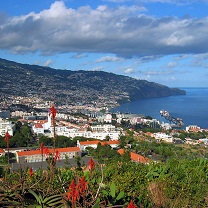 |
Coming soon | ||||||||||||||||||
| Portugal - The Algarve, Lisbon & Porto | |||||||||||||||||||
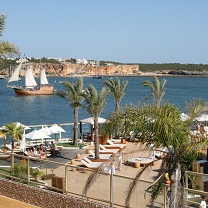 |
The Algarve is the name of the area that forms the southern coast of Portugal on the Atlantic Ocean. Major coastal towns include: Faro, Albufeira, Lagoa, Lagos, Olhão, Portimão, Quarteira and Vila Real de Santo António. The length of coastline is just under 100 miles. Beyond the westernmost point of Cape St. Vincent it stretches a further 30 miles to the north. The coastline is notable for picturesque limestone caves and grottoes, particularly around Lagos. There are many other beautiful and famous summer places such as Albufeira, Vilamoura, Praia da Rocha, Lagos, Armação de Pêra, Alvor, Monte Gordo, Tavira, and Sagres. |
||||||||||||||||||
| Spain - Cadiz & The Costa de la Luz | |||||||||||||||||||
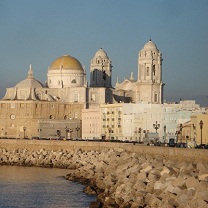 |
Cadiz is situated on the Costa de la Luz on the Atlantic coast of southern Spain. A charter from Cadiz provides some great choices; In the Bay of Cadiz you can visit the attractive towns of El Puerto de Santa Maria and Rota and the city of Cadiz itself. The marinas of Rota and Santa Maria are just a few steps from their lively centres. Sail west and check out the lovely beaches of the Algarve. Travel up the River Guadalquivir and visit the beautiful Seville. We have boats in the following locations; Barbate Marina, Chipiona and Puerto Sherry and Rota Marina on the Bay of Cadiz |
||||||||||||||||||
| General Info Suggested Itineraries & Routes - See the following links for suggested yacht charter itineraries in the Atlantic Ocean; Gibraltar | Cadiz and the Costa de la Luz | Portuguese Algarve | The Azores | Canary Islands | Cape Verdes | Maderia Marinas - Detailed reports and information on Marinas, Harbours and Anchorages in Atlantic Ocean area can be found in our Cruising Guide Experience & Qualifications - Normally the proposed skipper of a bareboat charter is required to hold a sailing license. ICC or equivalent. In certain circumstances we may be able to consider experience rather than formal qualifications. In addition, usually, one member of the crew will need a VHF license. If you have any doubts as to whether you have the necessary qualifications please do not hesitate to contact us Visa Requirements - See the following link for Visa Regulations Charter Season - Yacht charters in the Atlantic Ocean are spread throughout a large area. The Atlantic coasts of Spain and Portugal together with Gibraltar and the Azores follow the Mediterranean "season" which runs from April through to the end of October. That said many yachts are available for charter year round in these locations. Maderia, the Canary Islands and the Cape Verdes are considerably further south and make for brilliant winter yacht charter vacations Climate - See the following links for detailed information on the weather of the different Atlantic Ocean locations complete with monthly averages for air and sea temperatures, sunshine hours and UV Index; Gibraltar | Cadiz and the Costa de la Luz | Portugual | The Azores | Canary Islands | Cape Verdes | Maderia How to Get There - See the following links for aiports serving the various yacht charter locations in the Atlantic Ocean; Gibraltar | Cadiz and the Costa de la Luz | Portugual | The Azores | Canary Islands | Cape Verdes | Maderia Time Difference - Different throughout the area; GMT+1 - Spain & Gibraltar | GMT - Portugal, Maderia & Canary Islands | GMT-1 - Azores & Cape Verdes Currency - Gibraltar's currency is the GBP or sterling. Spain, Portugal, Maderia, the Canary Islands and the Azores use the Euro. The Cape Verdes official currency is the Escudo, however the Euro is accepted everywhere. Major credit cards are widely accepted and there is a network of ATMs throughout the area Language - Various. English is widely spoken Electricity - 220V Cusine - Various Feedback - We would welcome any comments you may have about your charter in Atlantic Ocean. Contact us here Terms & Conditions -These vary depending on the individual boat. Normally a deposit is required at the time of booking with the balance due 6 weeks before the date of your charter. Please contact us if you require further information. Get a quote for your Atlantic Ocean yacht charter here. Or contact us by email |
|||||||||||||||||||
| Boats Available for Daily Hire | |||||||||||||||||||
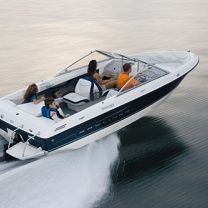 |
Sports - Fishing - Sail Boats - |
||||||||||||||||||
| Bareboat Monohulls | |||||||||||||||||||
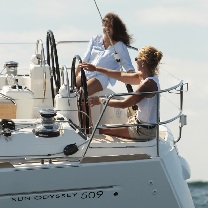 |
Under 12 metres - Elan 310 [La Linea/Gibraltar] | Beneteau Oceanis 343 [[La Linea/Gibraltar] | Bavaria 38 12 - 15 metres - Bavaria 44 | Bavaria 46 | Beneteau Oceanis 461 | Beneteau Oceanis 473 Over 15 metres - Bavaria 50 NB - The option of a Skipper is normally available with these boats. Please get in touch for more details and rates for Skippers |
||||||||||||||||||
| Bareboat Catamarans | |||||||||||||||||||
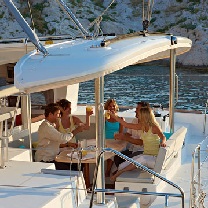 |
Under 12 metres - 12 - 15 metres - Fountaine Pajot Lavezzi 40 NB - The option of a Skipper is normally available with these boats. Please get in touch for more details and rates for Skippers |
||||||||||||||||||
| Bareboat Motor Yachts | |||||||||||||||||||
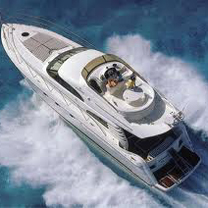 |
Under 12 metres - 12 - 15 metres - NB - The option of a Skipper is normally available with these boats. Please get in touch for more details and rates for Skippers |
||||||||||||||||||
| Skippered & Crewed Boats | |||||||||||||||||||
 |
|||||||||||||||||||
