 |
|||||||||||||||||||||||||||
 |
 |
 |
 |
 |
 |
 |
|||||||||||||||||||||
 |
 |
 |
 |
||||||||||||||||||||||||
 |
 |
 |
 |
||||||||||||||||||||||||
 |
 |
 |
 |
||||||||||||||||||||||||
 |
 |
 |
 |
||||||||||||||||||||||||
 |
 |
 |
 |
||||||||||||||||||||||||
 |
|
 |
 |
||||||||||||||||||||||||
| Cape Verdes Yacht Charters |
 |
 |
|
||||||||||||||||||||||||
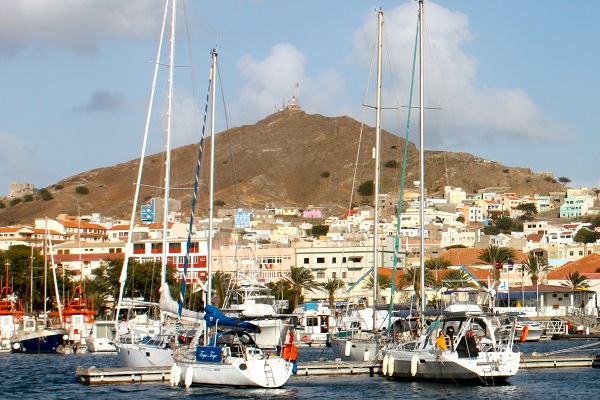
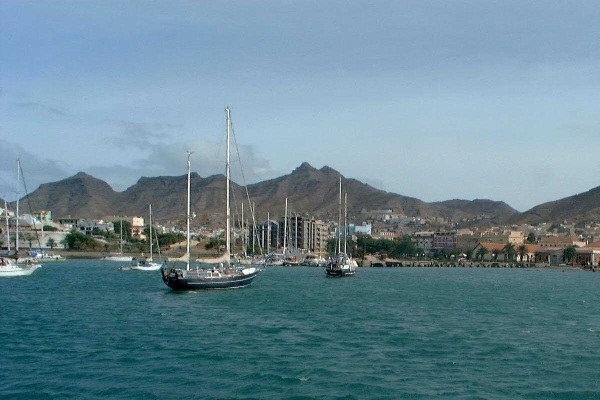
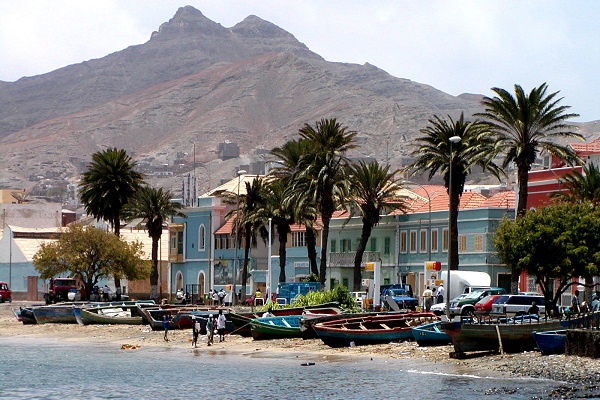
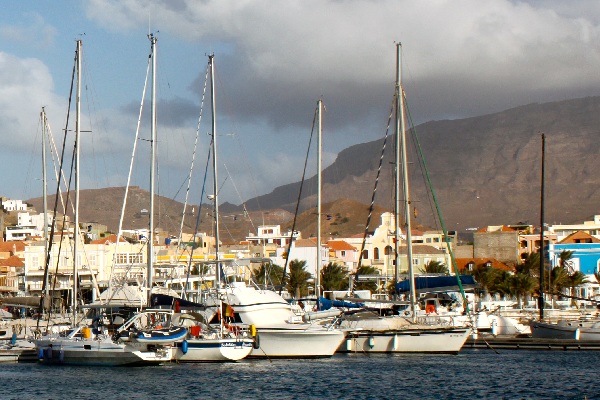
The Republic of Cape Verde is an archipelago in the North Atlantic Ocean, 375 miles off the western coast of Africa. Cape Verde is composed of ten islands, of which nine are inhabited, and eight islets. The islands are divided into the Barlavento or windward islands: Santo Antão, São Vicente, Santa Luzia, São Nicolau, Sal, and Boa Vista. And the Sotavento or leeward islands: Maio, Santiago, Fogo, and Brava.The largest island, both in size and population, is Santiago, where the capital of Praia is located. Our boats are based in Mindelo on the island of Sao Vicente. We have a small fleet of sailing yachts available for bareboat charter and the boats are also available with a skipper. Please contact us directly for our great value late charter deals from the Cape Verdes. Get a quote for your Cape Verdes yacht charter here. Or contact us by email |
|||||||||||||||||||||||||||
 |
 |
 |
 |
 |
|||||||||||||||||||||||
Marinas - Detailed reports and information on Marinas, Harbours and Anchorages in the Cape Verdes area can be found in our Cruising Guide Experience & Qualifications - Normally the proposed skipper of a bareboat charter is required to hold a sailing license. ICC or equivalent. In certain circumstances we may be able to consider experience rather than formal qualifications. In addition, usually, one member of the crew will need a VHF license. If you have any doubts as to whether you have the necessary qualifications please do not hesitate to contact us Visa Requirements - Please contact us for details Charter Season - From November to March Climate - Because the archipelago is surrounded by the sea Cape Verde's climate is milder than that of mainland Africa. Average daily high temperatures range from 25°C in January to 29°C in September. Most of the rainfall occurs between August and October, with frequent brief but heavy downpours. Click on the following link for detailed Cape Verdes Weather How to Get There - Boa Vista, Sal and Praia have international airports. Click on the following link for airlines and carriers operating out of Cape Verdes Airports Time Difference - GMT-1. Currency - Euro. Major credit cards are widely accepted and there is an extensive network of ATMs throughout the area. ATM machines can be found at the major banks in most island capitals, but the machines do not accept Maestro or Switch. Banks are usually open Monday to Friday 0800 - 1500. The only cards that are accepted on the islands are Visa and MasterCard. Language - Cape Verde's official language is Portuguese. English is widely spoken. The Cape Verdean Creole is the mother tongue of virtually all Cape Verdeans. Electricity - 220V Cusine - History - The previously uninhabited islands were discovered and colonized by the Portuguese in the fifteenth century. In 1462, Portuguese settlers arrived at Santiago and founded Ribeira Grande, which is today known as Cidade Velha, the first permanent European settlement city in the tropics. They named the islands Cabo Verde, after the nearby Cap Vert on the Senegalese coast. In the 16th century, the Cape Verdes prospered from the transatlantic slave trade.Pirates occasionally attacked the Portuguese settlements and Sir Francis Drake sacked Ribeira Grande in 1585. After a French attack in 1712, the city declined in importance relative to Praia, which became the capital in 1770. With the decline in the slave trade, Cape Verde's early prosperity slowly vanished. However, the islands' position astride mid-Atlantic shipping lanes made Cape Verde an ideal location for re-supplying ships. Because of its excellent harbour, Mindelo, on the island of São Vicente, became an important commercial centre during the 19th century. The Republic of Cape Verde attained independence from Portugal in 1975. Feedback - We would welcome any comments you may have about your charter in Cape Verdes. Contact us here Terms & Conditions -These vary depending on the individual boat. Normally a deposit is required at the time of booking with the balance due 6 weeks before the date of your charter. Please contact us if you require further information. Get a quote for your Cape Verdes yacht charter here. Or contact us by email |
|||||||||||||||||||||||||||
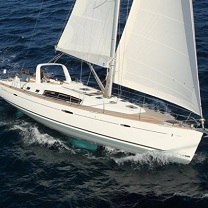
| Bareboat Monohulls | |||||||||||||||||||||||||||
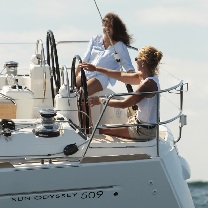 |
2 Cabins 3 Cabins NB - The year in brackets normally refers to the year the boat was launched but may also indicate the year of a major refit |
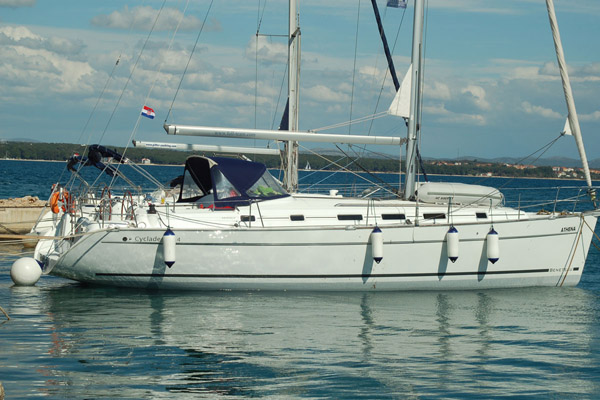
4 Cabins Beneteau Cyclades 433 [2007] Beneteau Cyclades 433 [2006] 5+ Cabins NB - The option of a Skipper is normally available with these boats. Please get in touch for more details and rates for Skippers |
|||||||||||||||||||||||||
 |
|||||||||||||||||||||||||||
 |
|||||||||||||||||||||||||||
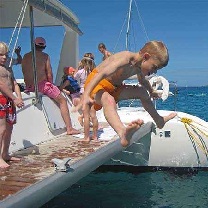
| Bareboat Catamarans | |||||||||||||||||||||||||||
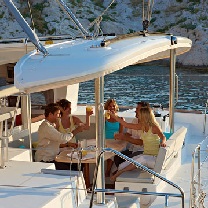 |
Under 12 metres NB - The year in brackets normally refers to the year the boat was launched but may also indicate the year of a major refit |
12 metres + Lavezzi 40 NB - The option of a Skipper is normally available with these boats. Please get in touch for more details and rates for Skippers |
|||||||||||||||||||||||||
 |
|||||||||||||||||||||||||||
| Bareboat Motor Yachts | |||||||||||||||||||||||||||
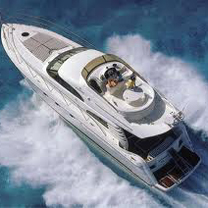 |
Under 12 metres NB - The year in brackets normally refers to the year the boat was launched but may also indicate the year of a major refit |
12 metres + NB - The option of a Skipper is normally available with these boats. Please get in touch for more details and rates for Skippers |
|||||||||||||||||||||||||
 |
|||||||||||||||||||||||||||
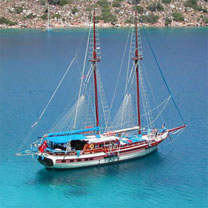
| Skippered & Crewed Boats | |||||||||||||||||||||||||||
 |
|
|
|||||||||||||||||||||||||
 |
|||||||||||||||||||||||||||
